
TL;DR
In 2026, a website is the base layer of digital trust. AI search engines like ChatGPT, Gemini, and Perplexity pull answers from crawlable websites, not social posts. Without one, your business is invisible to AI recommendations, Google’s local pack, and the 81% of buyers who research online before purchasing.
Introduction
Your Instagram page can get deleted tomorrow. Your website can’t.
That’s the reality facing business owners in 2026. Social platforms throttle organic reach, change algorithms overnight, and can suspend accounts without warning. A website is the one digital asset you fully own.
There’s a bigger shift too. AI search engines — ChatGPT, Gemini, Perplexity, and Google’s AI Overviews — now answer millions of buying questions before a user clicks a single link. These tools pull answers from structured, crawlable websites, not social feeds.
If your business doesn’t have one, you’re not just missing web traffic. You’re missing AI recommendations you’ll never know you lost.
What Is a Business Website?
A business website is a self-owned, crawlable digital property — distinct from social profiles — that establishes your business’s identity, credibility, and offerings online. It’s the primary source AI engines, Google, and customers reference when researching, comparing, or deciding to buy from you.
What Happens If Your Business Has No Website in 2026?
Direct answer: Without a website, a business becomes invisible to AI search tools, loses control of its narrative to third-party platforms, and misses most of the 81% of buyers who research online before purchasing. It also can’t earn Google’s local pack visibility or appear in AI-generated shopping and service recommendations.
According to Clutch’s 2025 small business research, 83% of small businesses now have a website, up from 64% in 2018. Businesses without one increasingly stand out — for the wrong reasons.
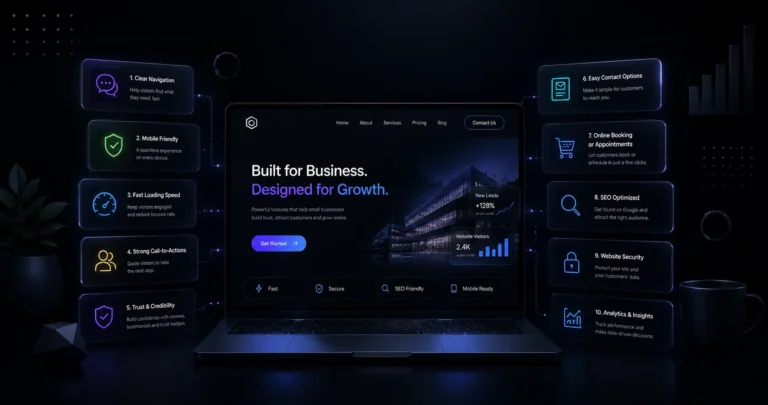
Why Does Your Business Need a Website in 2026?
- AI search engines can’t recommend what they can’t crawl. ChatGPT, Gemini, and Perplexity source answers from indexed, structured web pages — not Instagram bios or TikTok captions.
- You own the platform. Social algorithms change constantly. A website’s rankings and content compound over time and can’t be de-platformed overnight.
- Instant credibility and E-E-A-T signals. A professional site with real content, reviews, and clear ownership tells both humans and algorithms your business is legitimate.
- Local and zero-click visibility. A website tied to a Google Business Profile powers map-pack rankings, featured snippets, and “near me” voice search results.
- Data ownership and conversion control. Your website is the only channel where you fully control the customer journey, capture leads, and own your analytics — no platform can take that away.
Ready to improve your website?
Want a Free Website?
If you’re starting fresh, talk to Ezee Growth about your website goals. Get a free demo website within 24 hours.
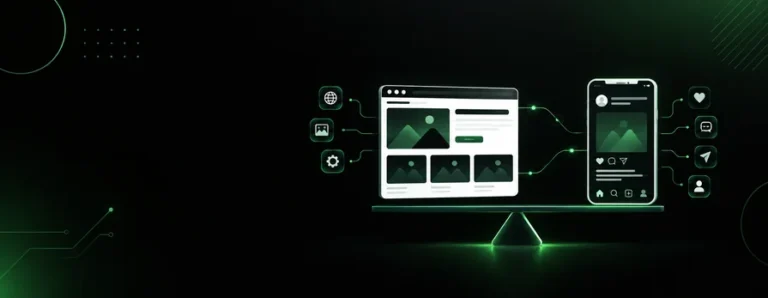
Website vs. Social Media Only: What’s the Difference?
| Factor | Business Website | Social Media Only |
| Ownership | Fully owned by you | Owned by the platform |
| AI / search visibility | Indexed by Google & AI engines | Rarely crawled or cited |
| Algorithm risk | Low — you control it | High — reach can drop anytime |
| Customer data | You own it | Platform owns it |
| Credibility signal | Strong (E-E-A-T) | Limited |
| Long-term ROI | Compounds over time | Resets with each algorithm change |
How to Build an AI-Ready Business Website in 2026
- Choose a fast, mobile-first platform. Webflow, Shopify, WordPress, or a modern no-code builder all work — speed and mobile usability matter most.
- Write clear, entity-rich content. Answer the real questions your customers ask, using plain language AI engines can extract easily.
- Add structured data. Schema.org markup helps AI engines and Google understand who you are, what you offer, and where you operate.
- Claim and sync your Google Business Profile. This connects your website to local search, maps, and voice assistant results.
- Publish and update content regularly. Fresh, original content signals relevance to both search engines and AI crawlers.
Conclusion
In 2026, a website is no longer a “nice to have” — it’s the infrastructure that lets AI engines, search engines, and customers find, trust, and choose your business. The businesses that invest now will compound that advantage for years. The ones that wait will keep losing recommendations they’ll never see.
Frequently Asked Questions
Is a Facebook or Instagram page enough instead of a website?
No. Social profiles aren’t reliably crawled by AI search engines or Google, and you don’t control the platform, algorithm, or your data.
How much does a small business website cost in 2026?
Simple no-code sites start around $16–$30 a month; custom-built sites with SEO and AI optimization typically run $2,000–$10,000 upfront.
Do AI chatbots like ChatGPT need a website to recommend my business?
Largely yes. AI engines pull recommendations from indexed, structured websites and reviews — businesses without a web presence are rarely surfaced.
What’s the ROI of having a business website?
A website compounds in value through organic traffic, local SEO, and AI citations, unlike paid ads or social reach, which reset constantly.
Can I get local customers without a website?
It’s harder. Google’s local pack and AI-powered “near me” results favor businesses with a verified, indexed website tied to their Google Business Profile.