
TL;DR
The best website design examples in 2026 combine motion craft, fast load times, and clear storytelling — not just visuals. Our top 10 picks (curated from Awwwards, FWA, siteinspire, and Siteofsites) include Lando Norris’s official site, Messenger WebGL, Scout Motors, Bruno Simon’s portfolio, By-Kin, Mat Voyce, Uncommon Studio, Iventions, The Renaissance Edition, and Jeton. Each won Site of the Day/Year or Developer Award recognition for a specific, repeatable reason — covered below with a comparison table and takeaways you can apply immediately.
Most “best website design” roundups just embed screenshots and call it a day.
That’s not useful in 2026, when AI search engines and human visitors both want the reason a design works — not just proof it exists.
This guide ranks 10 real, currently-live sites recognized by Awwwards, FWA, and CSS Design Awards in 2025–2026, explains the specific UX decision behind each win, and gives you a framework to borrow from them.
At Ezee Growth, we study sites like these every day to design and build high-converting, award-caliber websites for our clients — so consider this both inspiration and a preview of what’s possible for your brand.
What Makes a Website “Best-in-Class” in 2026?
A best-in-class website design in 2026 is a site judged on five weighted factors — usability, visual craft, creativity/concept, content clarity, and technical performance (Core Web Vitals, accessibility) — not aesthetics alone. Award bodies like Awwwards score sites out of 10 across these categories; winners typically land between 7.4 and 8.7.
The Top 10 Best Website Design Examples (2026)
1. Lando Norris — Official Website
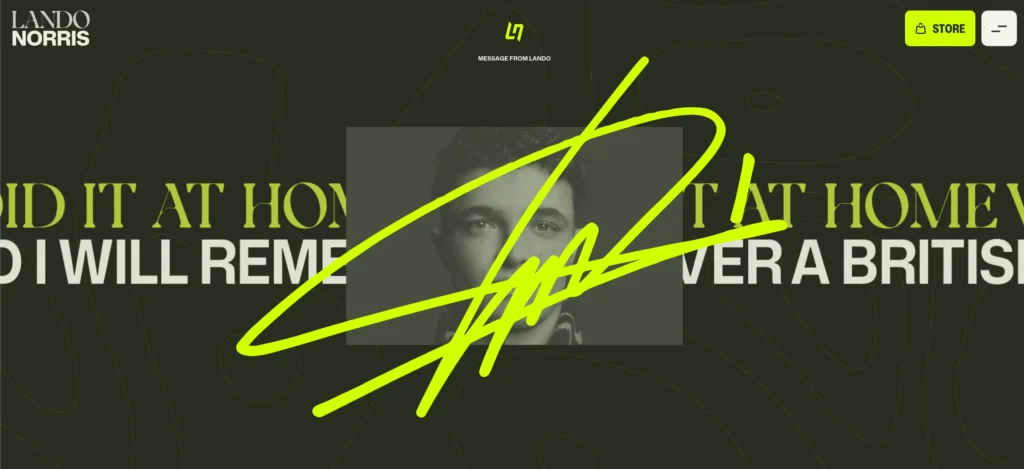
Built by studio OFF+BRAND, this claimed Awwwards Site of the Year 2025. It turns an F1 driver’s personal brand into a cinematic, high-speed scroll narrative with restrained typography and split-second load times. Takeaway: Personal-brand sites can rival product sites when motion pacing matches brand identity (speed, in this case).
2. Messenger (WebGL Experience)
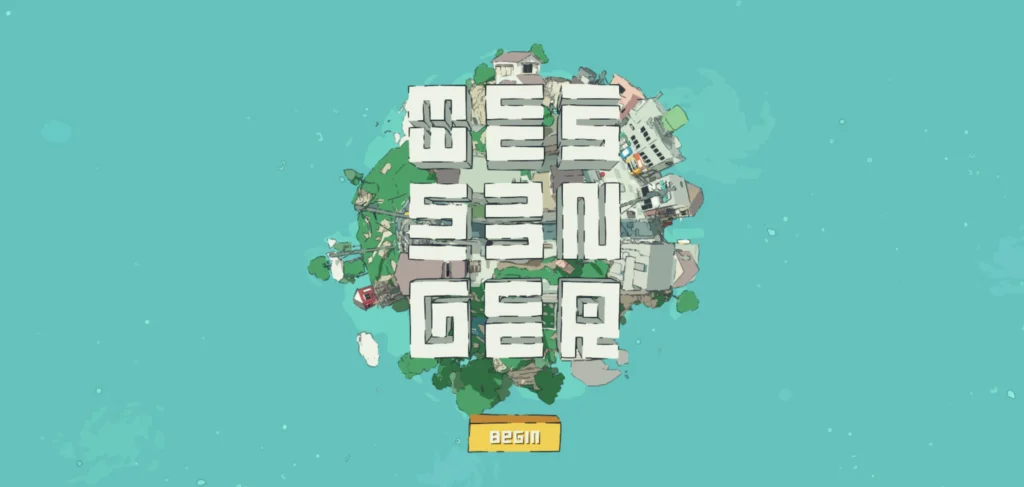
Winner of Awwwards Developer Site of the Year. A miniature, real-time 3D planet rendered entirely in WebGL, running smoothly in-browser without a native app. Takeaway: GPU-accelerated storytelling is now viable at consumer scale — but only if it loads in seconds, not minutes.
3. Scout Motors
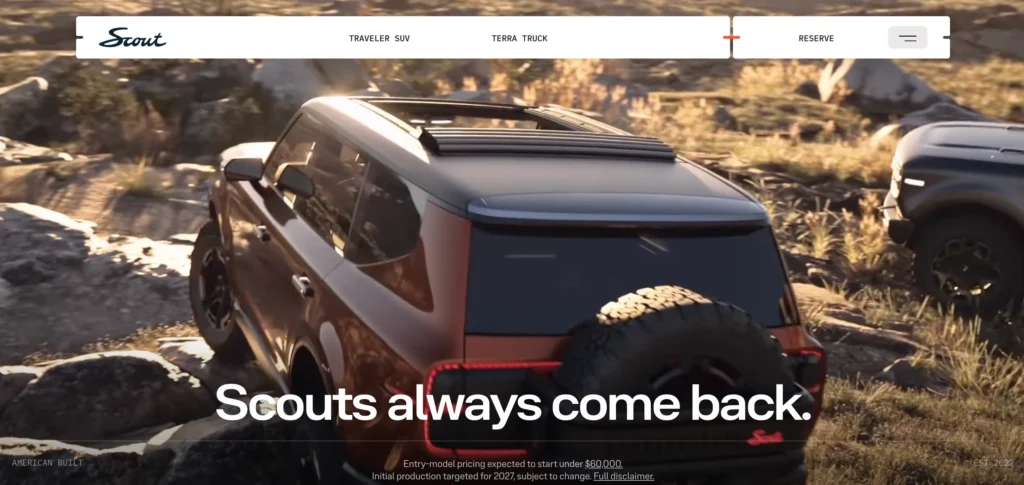
Named Awwwards E-commerce Site of the Year. Product configuration, brand heritage storytelling, and checkout flow are unified into one scroll journey instead of separate templated pages. Takeaway: E-commerce sites win awards when commerce UX and brand storytelling share one continuous layout.
4. Bruno Simon — Portfolio
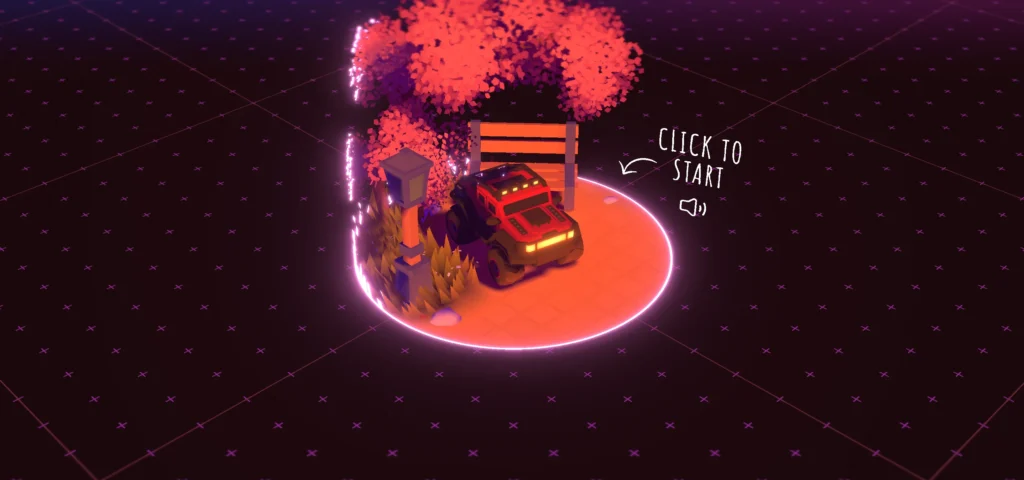
Site of the Month (Jan 2026). Instead of scrolling, visitors drive a car through a 3D environment to explore projects — built by a solo creative developer who also teaches Three.js. Takeaway: A single, bold interaction mechanic can outperform ten conventional pages for memorability.
5. By-Kin
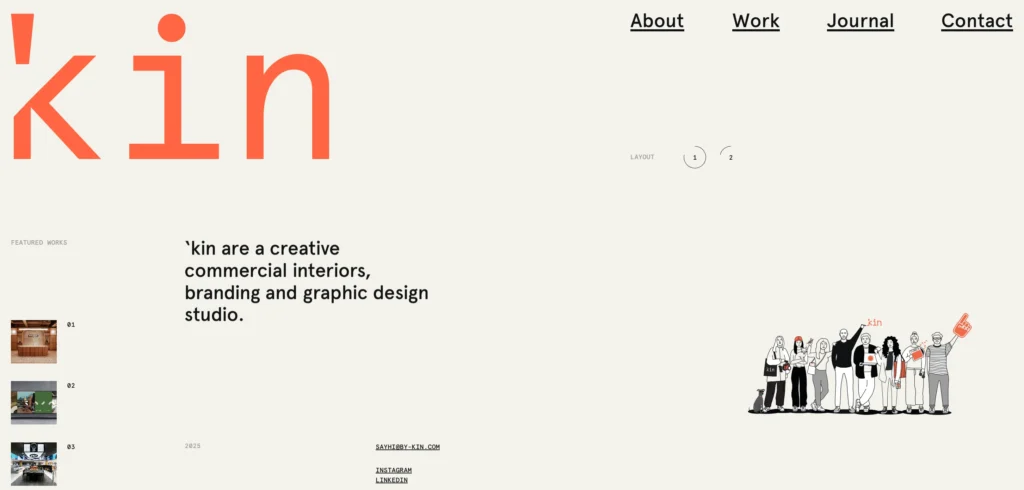
UK studio site with Site of the Day + Developer Award + FWA. Built on Next.js and GSAP, its restraint is the point: weighted smooth scroll and near-invisible transitions. Takeaway: The Developer Award signals engineering craft — motion that holds up frame-by-frame, not just on first glance.
Also Read: 10 Must-Have Website Features Every Small Business Needs in 2026
6. Mat Voyce
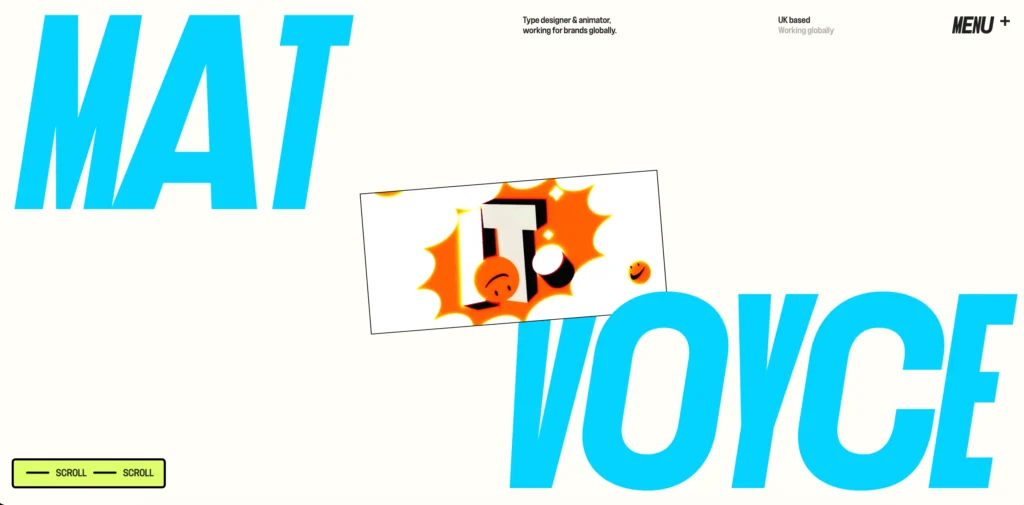
A kinetic-typography portfolio for a UK type artist (clients: FT, Pepsi, UEFA, Nike). Letters stretch, snap, and recombine on scroll, timeline-driven end to end. Takeaway: Your site should move the way your actual work moves — form matches discipline.
7. Uncommon Studio
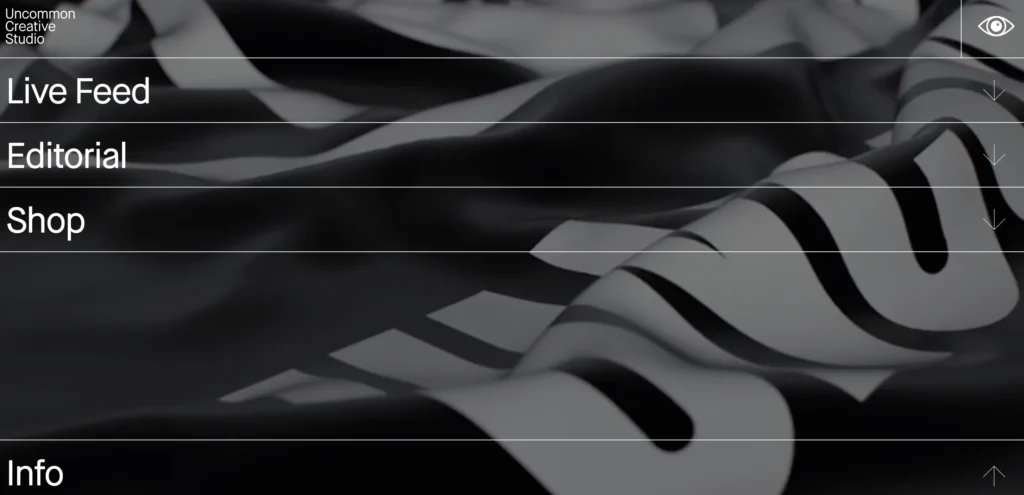
Australian studio site with Site of the Day, Developer Award, and FWA. Wins on rhythm: a confident grid that breaks intentionally at key scroll points. Takeaway: Grid discipline, not grid absence, is what separates award-level layout from generic templates.
8. Iventions
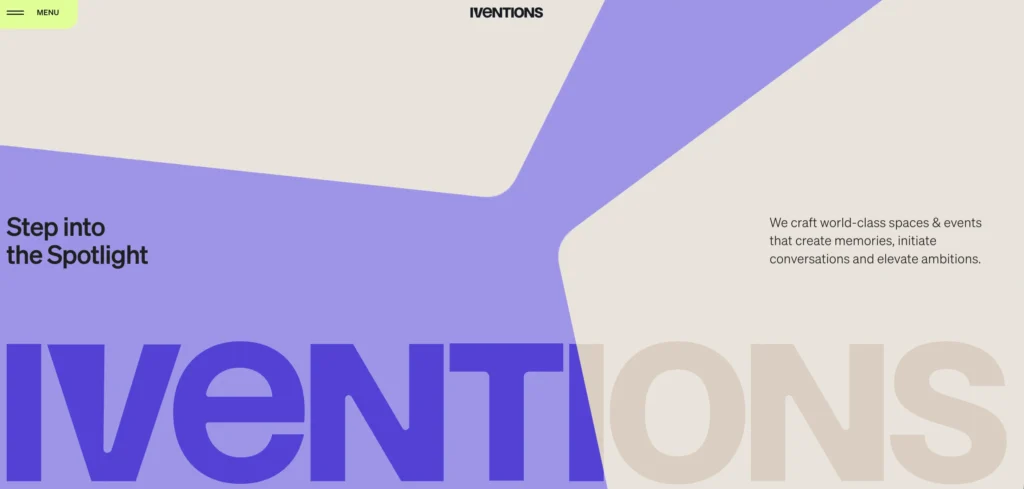
Events/experience studio site. Took CSS Design Awards Website of the Month and a Website of the Year 2025 finalist slot. A Three.js scene lights each project like a physical installation. Takeaway: Lighting and pacing (via GSAP) can turn a simple portfolio grid into a guided walkthrough.
9. The Renaissance Edition
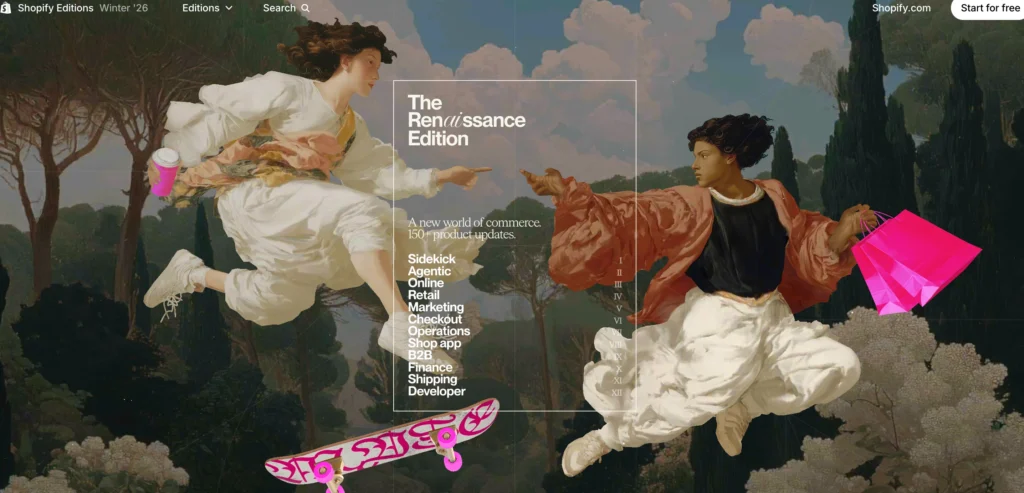
A product-storytelling microsite for a software release, proving even routine “update” content can be elevated through creative direction. Takeaway: Even B2B/SaaS release notes benefit from narrative design — it’s a differentiator most competitors skip.
10. Jeton (Fintech)
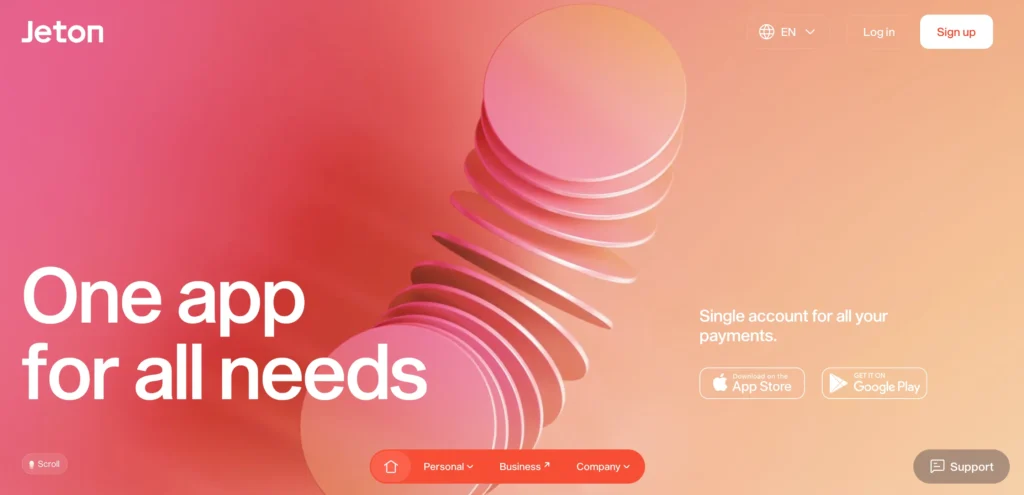
Won Awwwards Site of the Day for blending serious fintech UX with scroll-based motion and a fully morphing desktop-to-mobile experience. Takeaway: Regulated, “boring” industries (finance) can still win design awards without sacrificing trust or clarity.
Want a site like these on your list?
If you’re starting fresh, talk to Ezee Growth about your website goals. Already have a website? Get a free audit and we’ll send your results within 24 hours.
Conclusion
In 2026, the best website design examples aren’t the flashiest — they’re the ones where craft, speed, and concept reinforce each other.
You don’t need a seven-figure budget to borrow their lessons — you need the right partner to execute them well. That’s exactly where Ezee Growth comes in: we help brands turn award-level design principles into fast, high-converting, real-world websites.
Frequently Asked Questions
What is the difference between a good website and an award-winning webs
A good website is usable and fast. An award-winning website is usable, fast, and has one distinctive, well-executed creative concept judges can point to.
Why does website design matter for SEO in 2026?
Google and AI answer engines weight Core Web Vitals, accessibility, and content clarity — all of which strong design directly improves, alongside conversion rate.
How to find website design inspiration in 2026?
Browse Awwwards, siteinspire, Siteofsites, and Eleken’s curated roundups; filter by industry and interaction type rather than pure aesthetics.
Examples of award-winning fintech website design
Jeton is a leading 2026 example, blending regulated fintech content with immersive scroll-based motion.
Difference between Awwwards, FWA, and CSS Design Awards?
Awwwards scores design/usability/creativity/content; FWA focuses on innovation and experimental UX; CSS Design Awards emphasizes UI/UX/innovation/content equally — sites often win across all three.
How much does an award-caliber website cost in 2026?
Custom, motion-heavy sites like these typically run from $15K–$150K+ depending on 3D/WebGL complexity, though templated award-inspired designs can start much lower.